
Nobody sat you down and explained credit scores.
Not in school. Probably not at home. Maybe you picked up a vague sense that paying bills on time was good and missing them was bad. Beyond that, most people are operating on rumor, guesswork, and whatever their phone’s banking app flashes at them once a month.
And that ignorance — which is not your fault — is costing you real money. Consistently. Quietly. In ways that are easy to calculate once someone finally shows you the math.
What a Credit Score Actually Is
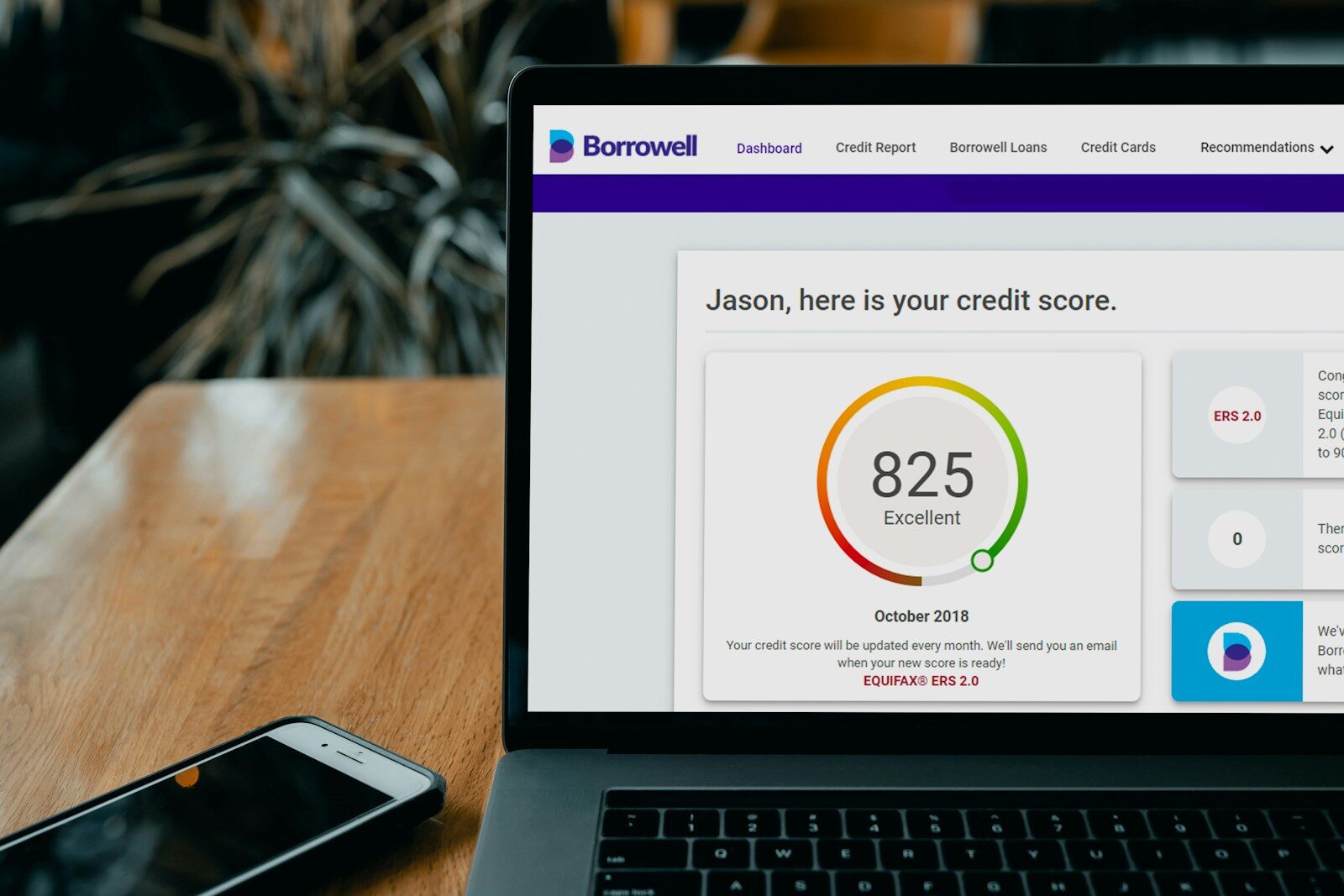
Your credit score is a three-digit number — typically between 300 and 850 — that tells lenders how risky it is to loan you money. The higher the number, the less risk you represent, and the better the terms you get on loans, credit cards, and sometimes even apartment rentals and job applications.
The most commonly used score is the FICO score, and it’s calculated from five factors:
Payment history (35%) — Do you pay on time? This is the biggest single factor. One missed payment can drop your score significantly and stay on your report for seven years.
Amounts owed (30%) — How much of your available credit are you using? This is called your credit utilization ratio. Using more than 30% of your available credit hurts your score even if you pay it off every month.
Length of credit history (15%) — How long have your accounts been open? Older accounts help. Closing your oldest credit card to “simplify” can actually hurt you.
Credit mix (10%) — Do you have different types of credit? A mix of credit cards, installment loans, and other accounts is viewed more favorably than just one type.
New credit (10%) — How recently have you applied for credit? Multiple applications in a short period signal financial stress to lenders and temporarily ding your score.
What Your Score Is Actually Worth in Dollars
Here’s where most people’s eyes open wide.
Let’s say you’re buying a $350,000 home with a 30-year fixed mortgage.
With an excellent credit score — 760 or above — you might qualify for an interest rate around 6.5%. Your monthly payment is roughly $2,213. Total interest paid over 30 years: about $447,000.
With a fair credit score — around 650 — your rate might be 7.5% or higher. Your monthly payment jumps to about $2,447. Total interest paid: roughly $531,000.
Same house. Same loan amount. Different credit score.
The difference? Over $84,000 in extra interest. Paid out over 30 years because nobody explained credit scores when it would have mattered most.
And that’s just the mortgage. Car loans, personal loans, credit card rates — every single one is affected by that number. The cost of bad or mediocre credit touches almost every major financial transaction of your life.
The Myths That Keep People Stuck
“Checking my credit score hurts it.”
Checking your own score — called a soft inquiry — does not affect your score at all. Only hard inquiries, when a lender checks your credit as part of a loan application, create a temporary dip. Check your own score as often as you want. You should.
“I should close credit cards I don’t use.”
Usually wrong. Closing an old card reduces your total available credit, which increases your utilization ratio and can shorten your credit history. Leave old accounts open, make a small purchase occasionally, and pay it off. Keep the history alive.
“I don’t have debt so I must have great credit.”
No credit history is not the same as good credit history. If you’ve never borrowed money and paid it back, lenders have nothing to evaluate. You need to use credit responsibly to build a score — not avoid it entirely.
“One late payment won’t matter much.”
It can matter a lot. A single 30-day late payment can drop a good score by 60 to 110 points. Set up autopay for at least the minimum on every account. Never miss a payment for something as avoidable as forgetting.
How to Build or Repair Your Score — Starting Now
1. Pay everything on time. Automate it.
Set up autopay for every bill that reports to the credit bureaus. This is the single highest-impact move you can make. Payment history is 35% of your score. Protect it like it’s worth money — because it is.
2. Get your utilization below 30%. Aim for under 10%.
If your credit card limit is $5,000, try to keep the balance below $1,500 — ideally below $500. If you’re carrying higher balances, pay them down before anything else. The score impact is immediate once utilization drops.
3. Don’t close old accounts.
Length of history matters. If you have a card you opened years ago and rarely use, keep it open. Make a small purchase every few months so the issuer doesn’t close it for inactivity.
4. Don’t apply for multiple credit accounts at once.
If you’re planning a major purchase — car, home — avoid applying for new credit in the months before. Every hard inquiry is a small temporary hit. Cluster them and it adds up.
5. Check your report for errors.
You’re entitled to a free credit report from each of the three bureaus — Equifax, Experian, and TransUnion — once a year at AnnualCreditReport.com. Errors are more common than you’d think, and they can be dragging your score down for no reason. Dispute anything that’s inaccurate.
The Number That Touches Everything
Your credit score affects your mortgage rate, your car loan, your insurance premium in some states, your apartment application, and occasionally your job application.
It is one of the most consequential numbers in your financial life — and it’s almost entirely within your control once you understand how it works.
That’s the part that gets me.
This isn’t complicated. It’s not investing theory or tax strategy or anything that requires a finance degree to understand. It’s five factors, clearly defined, that respond predictably to specific behaviors.
Pay on time. Keep utilization low. Don’t close old accounts. Don’t apply for everything at once. Check your report for errors.
That’s it. That’s the whole game.
The people who know this have access to cheaper money their entire lives. The people who don’t pay a premium on almost everything.
Now you know. Use it.