There are a lot of habits in life that hurt you quietly over time: avoiding difficult conversations, pretending debt doesn’t exist, chasing status instead of skills.
But smoking?
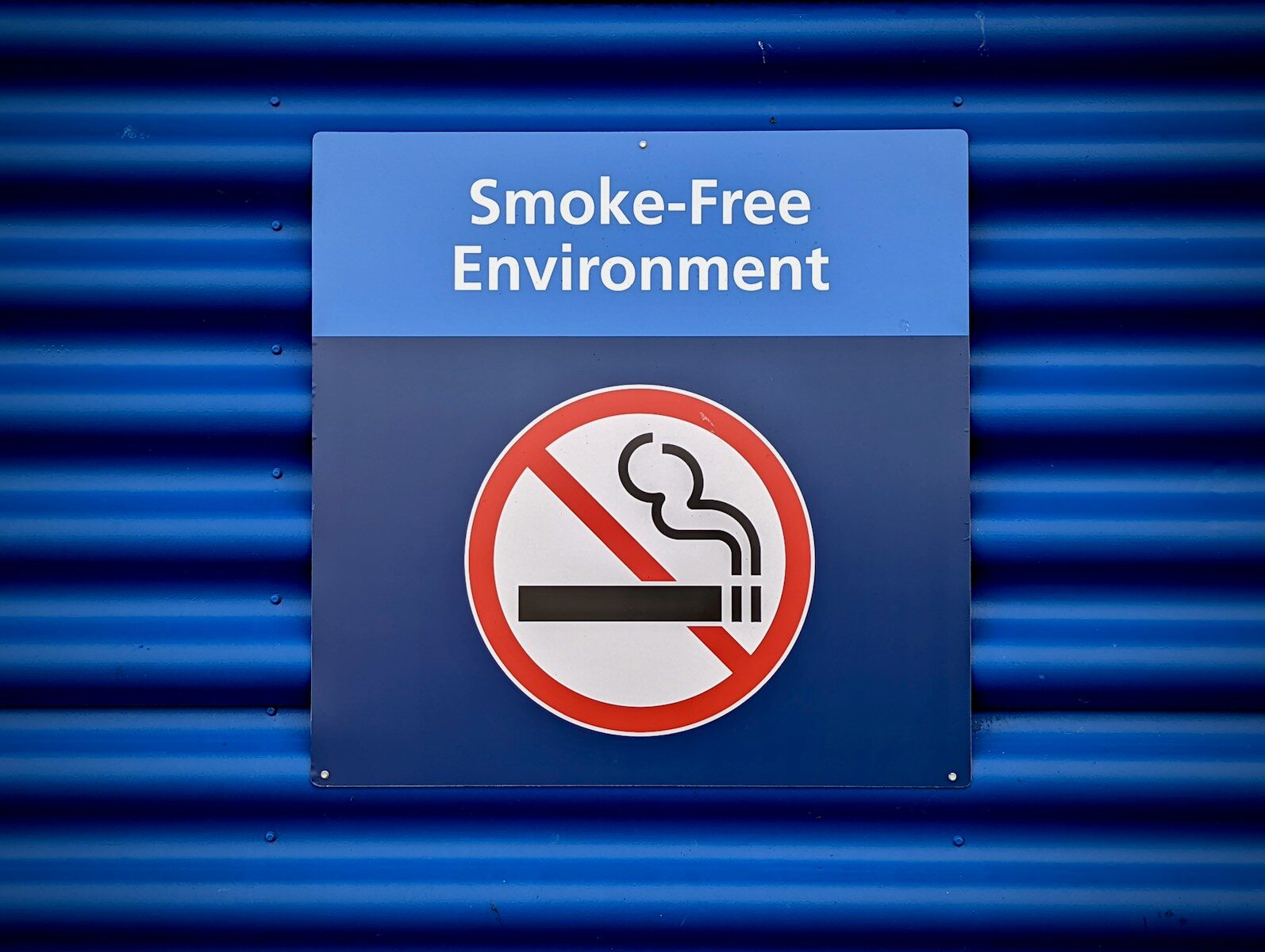
Smoking is the one bad decision that announces itself the minute you walk into the room…actually before you get in the room
Let me be clear: I’m not saying this to shame smokers. I’m saying it because it’s the one habit I personally could never hire, promote, or put into a leadership-track role — and if we’re being brutally honest, most high-performance companies feel the same way (they just won’t say it out loud).
Why?
Because smoking isn’t just a health choice.
It’s a signal.
And in the real world — where opportunity is earned, not gifted — signals matter.
1. Smoking tells the world you’re not in control of your decisions.
You can talk discipline. You can talk ambition.
But if a habit that kills you slowly — and costs thousands of dollars a year — still owns you, then the message is clear:
You don’t have control of your own life yet.
That doesn’t make you a bad person.
But it does make employers nervous.
What they hear is:
“If I can’t trust you to take care of yourself, how can I trust you with my team… my clients… my deadlines… my money?”
That’s the hard truth.
2. It destroys how people perceive you — instantly.
We don’t like to talk about this because it feels judgmental… but perception is reality.
Smoking affects:
- How you smell
- How your clothes smell
- How your office smells
- How your car smells
- How long you disappear during the day for breaks
- How people feel sitting next to you
Nobody will say it out loud.
But everyone notices.
I’ve run companies with 100+ employees.
And here’s the truth:
The smokers were always the least reliable, least coached, and most frequently sick.
Not because they were bad people.
Because the habit owned them.
3. It’s financially devastating — and not in the theoretical way.
Let’s do the math.
A pack-a-day habit at $8–$10 a pack = $3,000+ a year.
Do that for 10–15 years and you’ve thrown away…
a down payment, a retirement cushion, or two years of compounding.
Most smokers aren’t addicted to nicotine — they’re addicted to the momentary relief of stress.
But stress goes away when wealth goes up.
And wealth goes up when habits go down.
4. It isolates you socially and professionally.
The smoke break makes you part of the wrong group.
When the top performers are:
- talking
- networking
- solving problems
- getting facetime
- asking smart questions
- sharing opportunities
…you’re outside smoking.
You’re missing the moments where promotions happen.
Where mentorship happens.
Where luck happens.
And in real life, luck is manufactured in rooms you’re not standing in.
5. It shows a lack of self-respect — and that affects everything else.
This is the part people don’t want to say out loud.
Smoking communicates:
“I’m willing to do something that hurts me, costs me, and limits me — and I’m not going to stop.”
That’s not confidence.
That’s resignation.
And you deserve better than that.
If you smoke, here’s the good news:
You’re one decision away from changing the entire trajectory of your health, your finances, and your opportunities.
You stop smoking and suddenly:
- You smell better
- You save thousands
- You show discipline
- You gain respect
- You get more opportunities
- You breathe
- You live longer
If you’re building a career, a family (especially a family), or a future — smoking is the one habit that gives you nothing and costs you everything.
You deserve more than that.
And your future deserves a version of you that’s fully awake, fully healthy, and fully present.