

Let’s be honest—no one grows up dreaming about their credit score. But here’s the truth: good credit is basically your all-access pass to cheaper money, better deals, and opportunities you don’t even know exist yet. Bad credit? That’s like having a financial ankle monitor—you’re still moving, but you’re dragging a ball and chain everywhere you go.
Why Credit Even Matters
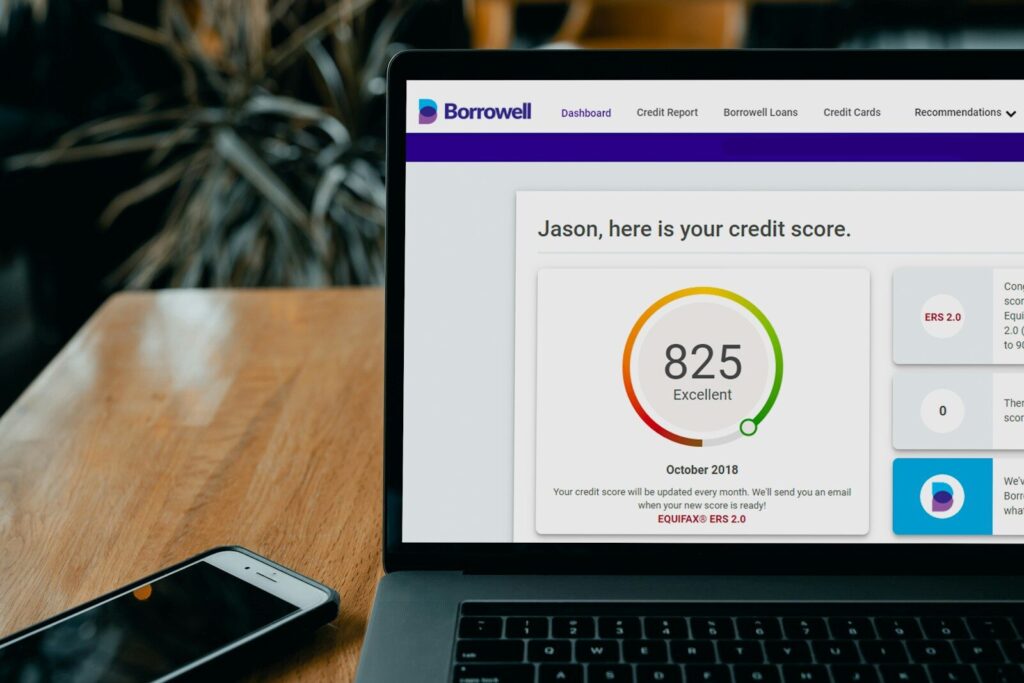
Your credit score is your financial trust rating. Banks, landlords, car dealers, even some employers will look at it to decide if you’re worth taking a chance on.
- Good credit = low interest rates, high approval odds, and perks like reward cards.
- Bad credit = high rates, more deposits, and the constant feeling that everyone’s suspicious of you.
Example: Two people buy the same $25,000 car. Good credit person pays 4% interest—about $2,000 over the life of the loan. Bad credit person? 18% interest—more than $7,000. That’s five grand wasted for the same car.
The 3 Fastest Ways to Build Credit
- Get a credit card and use it like it’s a debit card.
Pay it off in full every month. You’re not buying anything you couldn’t pay for today—you’re just renting the bank’s money to show you can be trusted. - Keep your utilization low.
This is just fancy talk for “don’t max out your card.” Use less than 30% of your available credit. If your limit is $1,000, try to stay under $300. - Never be late. Ever.
On-time payments are 35% of your credit score. One late payment can tank your score faster than you can say “but I forgot.”
Credit Myths You Need to Ignore
- “Closing old accounts helps your score” — Nope. That can actually hurt you.
- “Checking my score will lower it” — Not true if you do a soft check through a service like Credit Karma or your bank.
- “You need to carry a balance to build credit” — Wrong. Paying in full is what helps. Interest charges just help the bank.
The Real Win
Good credit isn’t about impressing a lender—it’s about making your money work harder for you. A high score saves you thousands over your lifetime on mortgages, car loans, and insurance. It’s financial leverage. And leverage is how you level up.
So yeah, building credit might not be “fun,” but neither is overpaying for everything you buy for the next decade. Play the long game. Your future self will send you a thank-you note.