
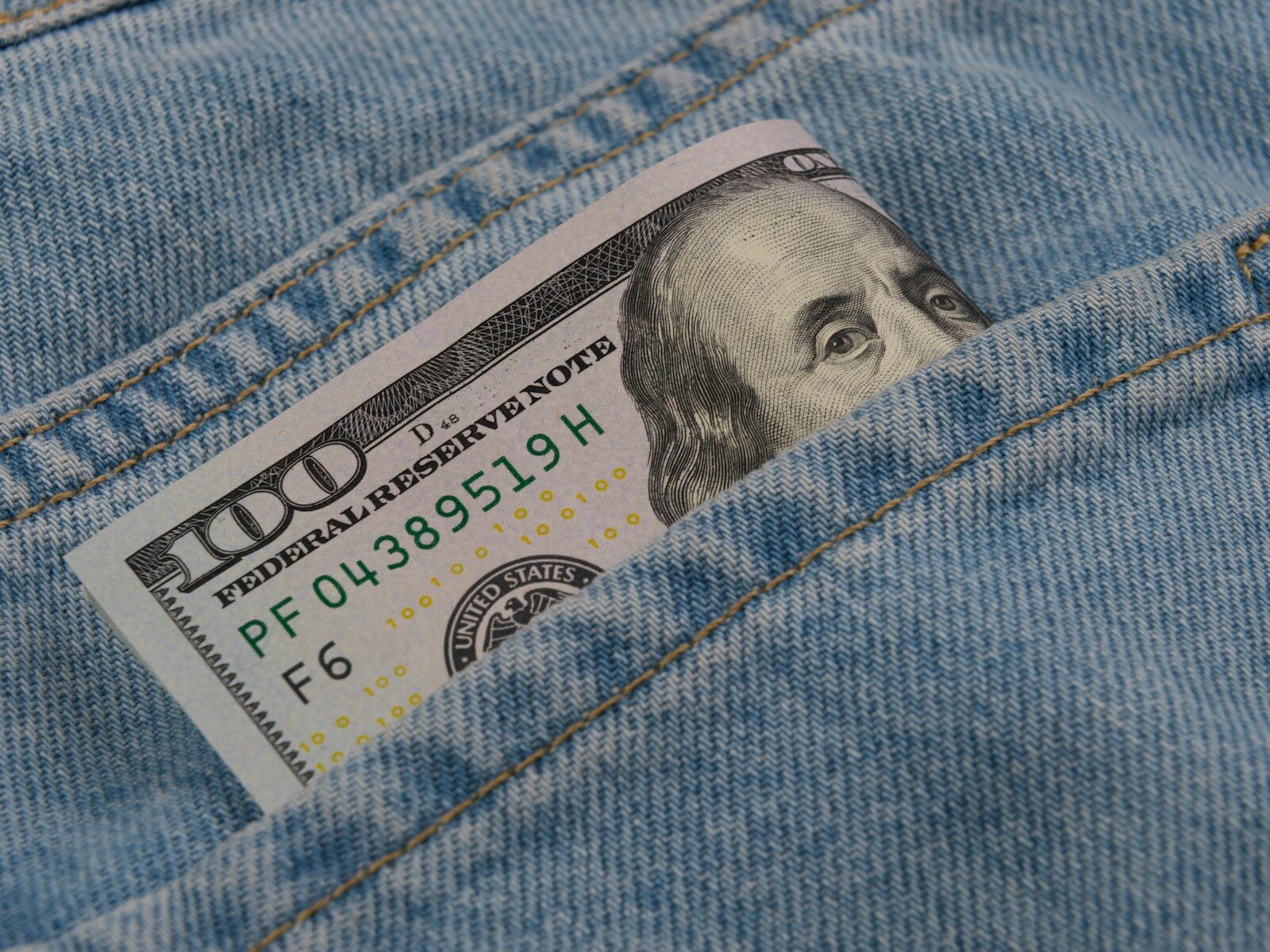
Every spring, millions of Americans get a check from the IRS and feel great about it.
They call it a windfall. A bonus. Found money. Some people plan vacations around it. Buy furniture. Pay off holiday debt they ran up celebrating the previous December.
And the whole time, they’re celebrating something that should actually make them a little annoyed.
Because that tax refund? It was your money the entire time. You just gave the government an interest-free loan — and you’re throwing a party when they pay you back.
Here’s What Actually Happened
Every paycheck, your employer withholds money for federal and state taxes based on the information on your W-4 form. If too much is withheld throughout the year, you get a refund in the spring. If too little is withheld, you owe in April.
Most people aim for the refund. They think of it as forced savings. A lump sum they couldn’t trust themselves to keep.
But here’s what that actually costs you:
The average federal tax refund runs around $3,000. That means the average American overpays by $250 a month — and lets the IRS hold it, interest-free, for up to 16 months.
What could $250 a month do if you kept it and put it to work?
Invested at a 7% average return, $250 a month over 30 years is over $283,000.
You handed that opportunity to the government and called it a win.
The Psychology Behind It
I understand why people love refunds. I really do.
A lump sum feels different than the same money spread across 12 months. $3,000 in April feels like a gift. $250 a month just disappears into the flow of regular spending and never gets noticed, never gets saved, never gets invested.
That’s a real psychological truth. But it’s also a fixable problem.
The solution isn’t to keep overpaying your taxes. The solution is to build the discipline — or the systems — that make the monthly amount work just as hard as the lump sum would have.
Automate it. The moment your paycheck hits, $250 goes straight to a high-yield savings account or an investment account. You never see it. You never spend it. And it grows instead of sitting in a government account doing nothing.
How to Fix Your Withholding
This is simpler than most people think.
Ask your HR department or payroll provider for a new W-4 form. The IRS also has a withholding estimator tool on their website that walks you through exactly how much should be withheld based on your income, deductions, and filing status.
The goal isn’t to owe a massive amount in April — that comes with its own penalties if you underpay significantly. The goal is to land close to zero. Small refund, small amount owed. As close to break-even as possible.
That means your money stays in your hands, in your accounts, working for you all year instead of sitting in Washington waiting for spring.
What to Do If You’re Getting a Big Refund This Year
If you just got a refund — or you’re about to — here’s what not to do:
Don’t spend it like a bonus. It isn’t one. It’s back pay.
Here’s what to do instead:
If you have high-interest debt — credit cards, personal loans — pay it off first. Guaranteed return equal to your interest rate. Nothing beats it.
If your emergency fund is thin — fund it. Three to six months of living expenses, sitting in a high-yield savings account earning actual interest. That’s not sexy. That’s the foundation everything else is built on.
If your basics are covered — invest it. IRA contribution, brokerage account, whatever fits your situation. Put it somewhere it can grow. Not somewhere it disappears.
And then fix your withholding — so next year, you’re not giving the government another free loan.
The Bigger Lesson
The tax refund story is really a story about awareness.
Most people go through their financial lives on autopilot. They fill out the W-4 once when they get hired, never revisit it, overpay their taxes for years, and feel good about getting money back that was theirs to begin with.
Awareness changes that. One conversation with a payroll department. One hour with a tax professional or the IRS website. One automated transfer set up on payday. Small moves that compound into a very different financial picture over time.
The government isn’t your savings account.
Your savings account is your savings account.
Act accordingly.